Invisible Apple Cake
Desserts
 November 11, 2025
Invisible Apple Cake
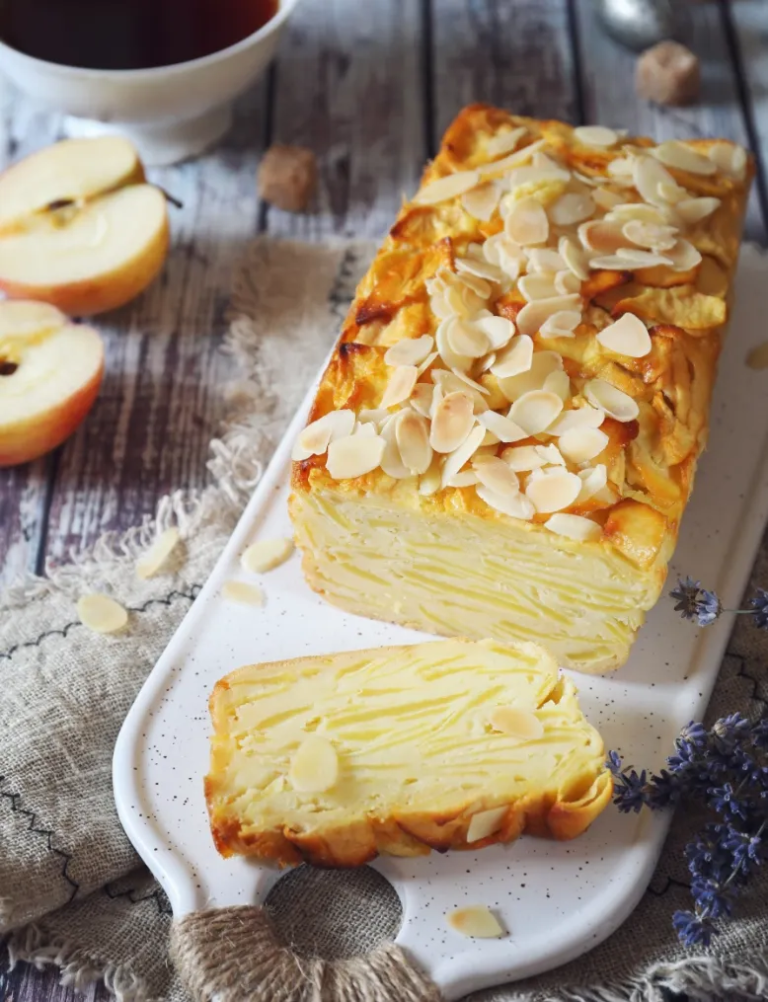
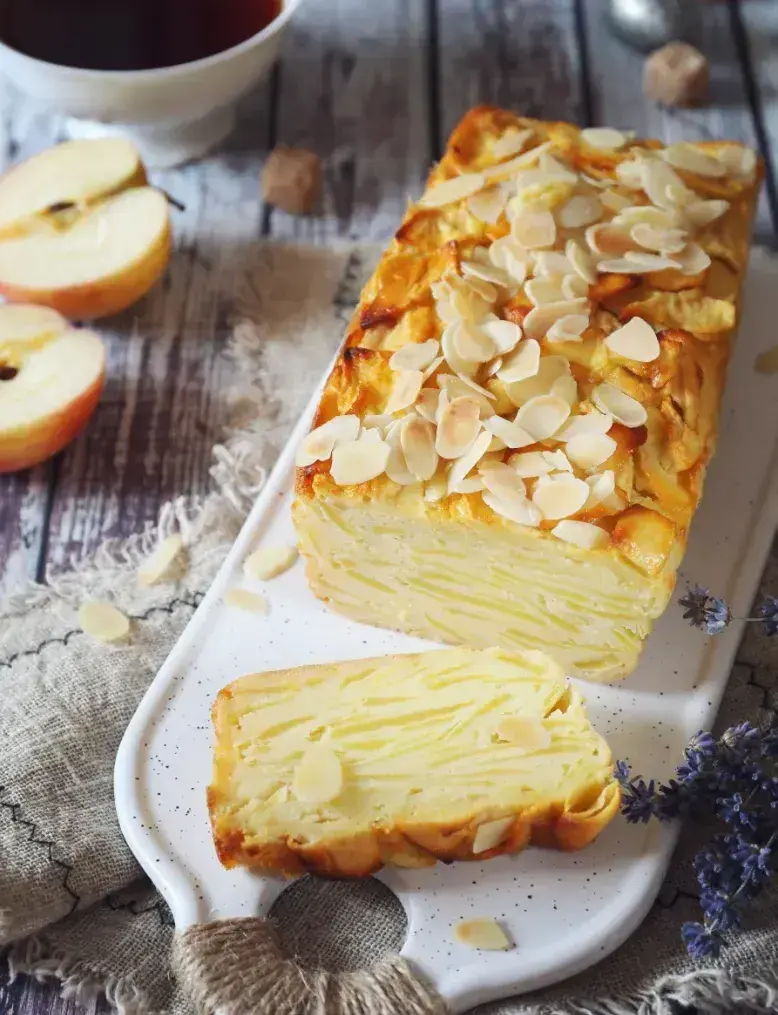
Tissue-thin apple slices bound together with just enough custardy batter to hold them, baked until the edges caramelise and turn golden. Delicate, buttery, and not too sweet. Somewhere between a tarte aux pommes and a clafoutis, with pure apple flavour in every bite!
November 11, 2025
Disclosure: This post may contain affiliate links which provide us a small commission when used for purchase. Please read my disclosure policy for more information. I am grateful for your support!
The name invisible apple cake was too mysterious not to try, obviously. You start with what looks like a ridiculous amount of paper-thin apple slices, add a splash of batter that seems nowhere near enough, and it comes out of the oven as a neat, sliceable cake. No heavy pastry, no thick sponge hiding the fruit, just layers of soft apple barely held together, doing exactly what the name promises.
This compact cake gets its gentle sweetness from the apples, while the batter stays light and understated, perfect if you prefer desserts that aren’t too sweet. It’s even better with a dollop of homemade whipped cream on top!
Table of Contents
Where the name invisible apple cake comes from
The name invisible cake comes from what happens to the batter in the oven. You mix it, you pour what looks like far too little over the apples, you layer everything together, and then it vanishes as the cake bakes. Cut into it and you see almost nothing but tightly stacked slices of soft, caramelised apple, holding together as cleanly as a terrine. The batter is still there, doing its job, it has just disappeared from view, soaking into the fruit as it cooks.
Ingredients
- Apples — You want eating apples that hold their shape rather than collapsing: Braeburn, Cox, Granny Smith, or the classic French choice, Golden Delicious. Cooking apples turn to purée and release too much water.
- Eggs — the backbone of the thin batter, whisked with the sugar to build a little body.
- Flour and milk — a small amount of each, making a batter closer to a thin crêpe mixture than a cake. This is what has to vanish into the fruit.
- Butter — melted into the batter for richness, and for greasing the baking dish well, since the cake is delicate coming out.
- Caster sugar — not much, since the point is the apples rather than sweetness.
- Lemon — tossed through the slices to stop them browning while you work, and for a little brightness.
- Vanilla — a nice background note behind the apple.
How to make an invisible apple cake
1. Slice the apples as thinly as you can
Heat the oven to 180°C (160°C fan). Peel and core the apples and slice them 2 to 3mm thin, tossing them in lemon juice as you go to stop them browning. The thinner the slices, the tighter they stack and the cleaner the cake cuts, so a mandoline earns its place here. A sharp knife works with a little patience.
2. Make the thin batter
Whisk the eggs and sugar until pale and thick, about 3 minutes. Sift in the flour and salt and whisk smooth, then gradually add the milk, the melted butter and the vanilla. It should be completely smooth and about the consistency of double cream, far thinner than a normal cake batter.
3. Fold in every apple slice
Tip all the apple slices into the batter and fold gently but thoroughly, so every single slice is coated. It will look like far too many apples for the batter, which is exactly how it should look.
4. Pack it into the tin
Butter a loaf pan generously. Spoon in the apple mixture, pressing it down and levelling the top so the slices stack tightly rather than sitting loose. The tin will look properly full, which is normal.
5. Bake until golden and set
Bake for 45 to 50 minutes, until the top is deep golden and a skewer in the centre comes out clean. Don’t open the door for the first 30 to 35 minutes, since the batter needs uninterrupted heat to set around the fruit.
6. Cool before turning out
Let it cool in the tin for 10 minutes, then turn out carefully. It’s best at room temperature rather than hot: as it cools the structure settles and firms, which is what lets you cut tidy slices instead of a delicious apple heap.

Tools for this recipe
Check out my favorite kitchen essentials and cookware!
- Use a well buttered loaf pan since the cake is almost all fruit and needs to release cleanly.
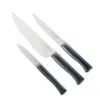
- Use a mandoline for tissue-thin, even slices, which is the single thing that makes the cake hold together. A sharp knife and patience also work.
- Use an electric mixer to whisk the eggs and sugar pale, which gives the thin batter a bit of body.
Tips for success
- Slice the apples as thin as you can manage: this is important in this recipe. Thin slices stack tightly, soak up the batter and hold together when cut. Thick, uneven slices bake unevenly and fall apart on the plate.
- Use eating apples, not cooking apples: cooking apples collapse into mush and release too much liquid. You want firm eating apples that keep their shape, like Braeburn or Cox.
- Trust the ratio: it looks like nowhere near enough batter but that is exactly enough. The batter soaks into the apples as they cook, which is what makes it invisible.
- Coat every slice: fold thoroughly so no slice is left dry, since any uncoated apple won’t bind to its neighbours and the cake will separate there.
- Don’t open the oven too early: the batter needs the first 30-odd minutes of steady heat to set around the fruit. Opening the door early can stop it setting cleanly.
- It’s better the next day: the layers compact slightly overnight, so if anything it improves.
How to store it
- At room temperature: Covered, it keeps 2 to 3 days, and the texture often improves by the second day as the layers settle. This is a cake that genuinely keeps well.
- In the fridge: You can refrigerate it, but bring it back to room temperature before serving, since the texture is much better and the apple flavour comes through more clearly warm than fridge-cold.
- In the freezer: Not ideal. The high fruit content means it weeps on thawing and loses its neat structure, so it’s best made fresh and eaten within a couple of days.
More fruit dessert recipes to try
Variations
- With Calvados: a splash in the batter, which is the Normandy instinct and makes perfect sense in the land of apples and apple brandy.
- With cinnamon or vanilla: a little cinnamon in the batter, or more vanilla, for a warmer, more autumnal version.
- With a caramel sauce: not traditional, but a salted butter caramel spooned over a slice turns it into a proper dessert.
- Less sweet still: the sugar is already modest, and you can drop it a little further without trouble, since the apples carry the flavour and the structure comes from the fruit, not the sugar.
FAQ
Why is it called an invisible apple cake?
Because the batter all but disappears. The apples are sliced so thinly and the batter is so thin that, once baked, the batter soaks into the fruit and you see almost nothing but stacked layers of soft apple.
What apples are best for invisible apple cake?
Firm eating apples that hold their shape, such as Braeburn, Cox, Granny Smith or Golden Delicious. Avoid cooking apples, which collapse into purée and release too much liquid.
Why did my cake fall apart?
The apple slices were probably too thick or uneven, or not every slice was coated in batter. Slice as thin as you can, ideally on a mandoline, and fold thoroughly so each slice is coated.
Can you make invisible apple cake ahead of time?
Yes, and it’s one of its strengths. It keeps 2 to 3 days covered at room temperature and the texture often improves by the second day as the layers settle.


 Prep Time 25 minutes
 Cook Time 1 hour 45 minutes
 Total Time 2 hours 10 minutes
 Servings 6
Description
Tissue-thin apple slices bound together with just enough custardy batter to hold them, baked until the edges caramelise and turn golden. Delicate, buttery, and not too sweet. Somewhere between a tarte aux pommes and a clafoutis, with pure apple flavour in every bite!
Ingredients
- 1 kg eating apples Braeburn,Cox, or Granny Smith work brilliantly
- ½ lemon juice of it
- 3 egg
- 50 gr caster sugar
- 80 gr plain flour
- 100 ml whole milk
- 25 gr unsalted butter
- 1 tsp vanilla extract
- 1 pinch salt
- unsalted butter for greasing the tin
Equipment

Instructions
1. Prep your apples
- Heat the oven to 180°C (160°C fan). Peel, core and slice the apples as thinly as you can, 2–3mm, tossing them in lemon juice as you go to stop them browning.
2. Make the batter
- Whisk the eggs and sugar until pale and thick, about 3 minutes. Sift in the flour and salt and whisk smooth. Gradually add the milk, then the melted butter and vanilla. The batter should be smooth and about the consistency of double cream.
3. Combine everything
- Add all the apple slices to the batter and fold gently but thoroughly until every slice is coated. It will look like far too many apples for the batter.
4. Into the loaf pan
- Butter a loaf tin generously. Spoon in the apple mixture, pressing down and levelling the top. The tin will look full.
5. Bake until golden
- Bake for 45–50 minutes, until deep golden and a skewer in the centre comes out clean. Don't open the oven door for the first 30–35 minutes.
6. Cool and serve
- Cool in the tin for 10 minutes, then turn out. Serve warm or, better, at room temperature, when it cuts into tidy slices.
Notes
- Eating apples hold their shape; cooking apples collapse and release too much liquid.
- Don’t panic at how little batter there is. It soaks into the apples as they bake, which is the invisible trick.
- Slice the apples as thinly and evenly as possible, ideally on a mandoline.
- Keeps 2–3 days covered, and is often better on the second day.
Share your feedback and spread the love!
If you try this recipe, I’d love to hear how it turns out! Leave a ★★★★★ rating and your thoughts in the comments, it helps fellow French foodies discover this recipe too. Snap a photo and tag @obviously.french on Instagram. Come talk about it in our Facebook group. And don’t forget to save this recipe to Pinterest so you’ll always have it handy for your next French-inspired meal!