
Turbot with Morel Sauce
Dinner
 October 9, 2025
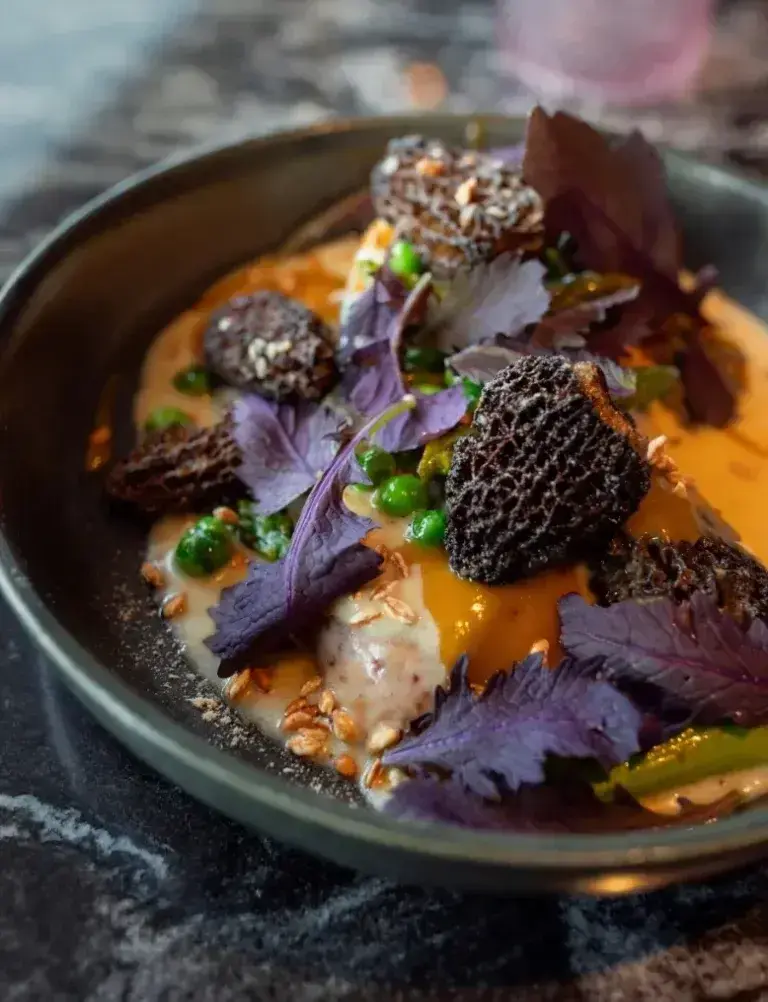
Turbot with Morel Sauce
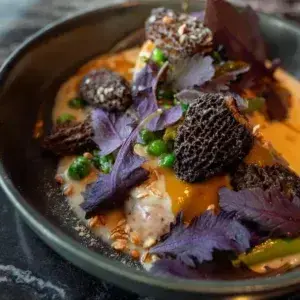
Firm white turbot fillets baked until just flaking, served under a creamy morel sauce simmered with white wine and butter. Earthy, rich, and delicate at once. The treasured springtime pairing of bistrot and grand restaurant tables!
October 9, 2025
Disclosure: This post may contain affiliate links which provide us a small commission when used for purchase. Please read my disclosure policy for more information. I am grateful for your support!
Turbot with morel sauce is what I make when I want people to think I’ve gone to a lot of trouble. I haven’t, really as it’s only two ingredients. But they’re both so good that you barely have to do anything to them, and that’s sort of the trick of this dish, it tastes like a restaurant even though it’s done under an hour.
Both of the ingredients are spring ones and both cost a bit, so no, I don’t make this every Tuesday, maybe one or two times a year, that’s all. Usually for the people who actually notice what they’re eating, the one that go silent after the first bite, you know the ones.
And honestly? The hardest part is not overcooking the fish. The sauce just needs you to stand there and stir it a bit while the cream does its thing. Ten minutes for the turbot, a bit of patience for the sauce, and that’s the dish!
Table of Contents
Where turbot with morel sauce comes from
Turbot has been called the king of flatfish since the Middle Ages, and the French also call it the prince of the seas, which tells you how highly regarded it is. It’s caught in the cold waters of the North Atlantic and the North Sea, and its flesh is firm, white and dense, clean and sweet without being heavy. That firmness is the reason it can take a rich sauce. A soft sole or a flaky cod would disappear under a cream sauce, but turbot sits under one without losing itself, which is why French cooks pair it with their boldest sauces.
Morels, morilles, are the spring mushroom the French care about most! They show up for a few weeks between March and May, and foragers keep their patches secret and families hand down the good spots like property. The flavour is earthy, nutty and savoury in a way dried mushrooms hint at but never quite reach, and the honeycomb caps soak up butter and cream so every bite tastes concentrated. Cooked gently in butter with wine and cream, they become morilles à la crème, and that sauce is the base of this dish.
Putting the two together is a classic of French haute cuisine, and it has been since the 19th century, when the grand houses built dishes around whatever spring brought in. The earthy mushrooms against the clean, sweet fish is a pairing that has simply never needed improving.
Ingredients
- Turbot — firm enough to carry the sauce, so don’t swap it for a delicate fish. Fillets are easiest.
- Morels — fresh in season, or dried the rest of the year. Dried are excellent and often easier to find, and their soaking liquid, strained, goes into the sauce. Soaking them in milk or stock rather than water adds even more flavour.
- Shallots — softened in butter as the base of the sauce, sweeter and finer than onion.
- Butter — the fat the morels cook in, so pick a good French one if you can.
- Dry white wine — reduced down to concentrate it and cut the cream. A vin jaune from the Jura is the classic choice with morels if you can get it.
- Double cream — the body of the sauce, simmered until it coats a spoon.
- Lemon — a squeeze at the end, which lifts the richness so the sauce doesn’t sit heavy.
- Peas and greens (optional) — blanched peas and a few mustard or spinach leaves for colour and freshness against all that cream.
How to make turbot with morel sauce
1. Prepare the morels
If using dried morels, soak them in hot water, milk or stock for 30 minutes, then lift them out and rinse off any grit. Keep the soaking liquid and strain it through a fine sieve to catch the sand, since it goes into the sauce. Fresh morels just need a careful rinse under running water, as their honeycomb caps trap grit, then a pat dry.
2. Blanch the peas
Drop the peas into salted boiling water for a minute or two, until bright green and just tender, then drain and cool them under cold water so they keep their colour. Set aside for the end.
3. Build the sauce
Melt the butter with the oil in a frying pan and soften the chopped shallot gently, without colouring it. Add the morels and cook for 5 to 8 minutes. Pour in the wine, let it boil and reduce by half, then add the strained soaking liquid if you have it and reduce again. This layering is what gives the sauce its depth.
4. Finish the sauce
Lower the heat, stir in the cream, and simmer 10 to 12 minutes until it coats the back of a spoon. Season at the end with salt, white pepper and a squeeze of lemon. Morels and cream are both rich, so the salt and the lemon are what stop it tasting flat, so taste as you go.
5. Bake the turbot
Heat the oven to 180°C (160°C fan). Pat the fillets dry, season both sides with salt and white pepper, set them on a lined tray and brush with a little oil. Bake 8 to 10 minutes, until just opaque and flaking at a fork. Turbot overcooks fast, so pull it the moment it flakes.
6. Plate and serve
Spoon the warm sauce onto each plate and set a fillet on top. Scatter the peas and a few mustard or spinach leaves around for colour, and finish with snipped chives or parsley. Serve straight away, while everything is hot.
Tools for this recipe
Check out my favorite kitchen essentials and cookware!
- Use a frying pan wide enough to cook the morels in a single layer, so they fry rather than steam.
- Use a baking mat on the tray, which spreads the heat evenly under the fish and stops it sticking without much oil.
- Use a saucepan for blanching the peas, and a skimmer spoon to lift them out.
- Use a sharp knife for the shallots and for checking the fish flakes cleanly.
Tips for success
- Buy the best turbot you can, and cook it the day you buy it: with this few ingredients, the fish is most of the dish, so pick one up fresh.
- Strain the morel soaking liquid before it goes in: the honeycomb caps hold grit, and so does the water they soak in. One pass through a fine sieve keeps sand out of the sauce.
- Soak dried morels in milk or stock, not just water: it adds flavour the water alone won’t, and that liquid goes into the sauce anyway.
- Don’t let the sauce boil once the cream is in: a bare simmer thickens it without splitting it. Hard boiling can break the cream so be careful.
- Season the sauce at the very end: cream mutes salt and the wine reduces as it cooks, so what tastes right early will taste flat later. Salt and lemon last.
- Take the turbot out the moment it flakes: it goes from perfect to dry quickly, and residual heat keeps cooking it on the plate, so slightly under is safer than over.
- Keep the sides plain: new potatoes or a potato purée to catch the sauce, and that’s enough. The sauce is doing the all the work!
How to store it
- In the fridge: The sauce keeps 2 days and reheats gently, so you can make it ahead and warm it through while the fish bakes. Cooked turbot keeps a day but is best eaten fresh, since reheating toughens it.
- Making ahead: The sauce is the part to get done early. Make it up to the point before the cream, or fully, cool it, and reheat gently. Bake the fish fresh to order.
- In the freezer: The sauce freezes reasonably for a month, though the cream can separate a little on thawing, so whisk it as it reheats. Don’t freeze the cooked fish!
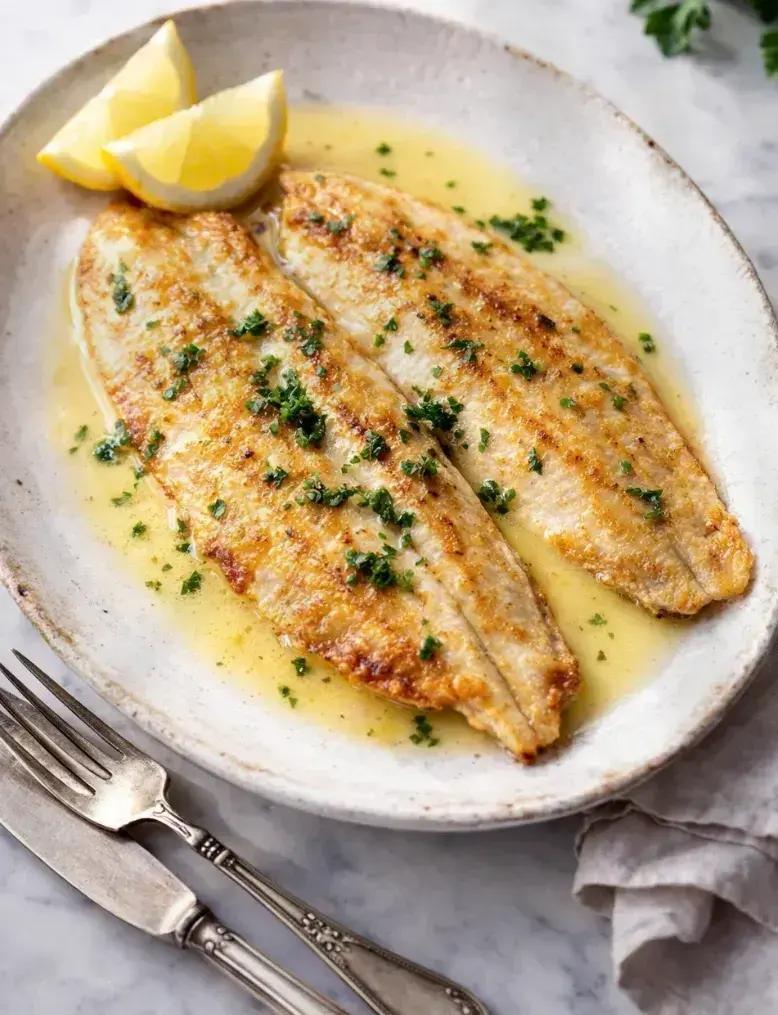
More fish recipes to try
Variations
- With vin jaune: swap the white wine for a Jura vin jaune, the classic match for morels, which gives the sauce a deep, nutty, almost sherry-like note.
- With asparagus: white or green asparagus alongside, another spring ingredient that suits both the fish and the morels.
- Pan-fried instead of baked: sear the fillets in butter, 3 to 4 minutes a side, basting with the foaming butter, for a more golden finish.
- With another firm fish: monkfish, halibut or brill take the sauce just as well if turbot is beyond the budget or the fishmonger.
- With a little Madeira or cognac: a splash added with the wine deepens the sauce further, common in restaurant versions.
FAQ
What does turbot taste like?
Clean, sweet and rich, with firm, dense white flesh. It’s regarded as one of the finest flatfish, and its firmness means it holds up under a rich sauce where a softer fish would fall apart.
Can I use dried morels instead of fresh?
Yes, and they’re excellent out of season. Soak them for 30 minutes in hot water, milk or stock, rinse off the grit, and strain the soaking liquid into the sauce for extra flavour. Use about 30 to 40g dried in place of 250g fresh.
What can I use instead of turbot?
Another firm white fish: monkfish, halibut or brill all carry the morel sauce well. Avoid delicate fish like sole, which disappears under the cream.
How do you clean morels?
Rinse fresh morels carefully under running water, since their honeycomb caps trap grit and soil, then pat dry. For dried, the soak and rinse does the job, but always strain the soaking liquid before using it.
Can you make the morel sauce ahead of time?
Yes. The sauce keeps 2 days in the fridge and reheats gently without boiling. Make it ahead and bake the turbot fresh while it warms through.


 Prep Time 25 minutes
 Cook Time 25 minutes
 Total Time 50 minutes
 Servings 4
Description
Firm white turbot fillets baked until just flaking, served under a creamy morel sauce simmered with white wine and butter. Earthy, rich, and delicate at once. The treasured springtime pairing of bistrot and grand restaurant tables!
Ingredients
- 4 fillets turbot
- 250 gr morels or 30–40g dried morels
- 1 onion
- 20 gr unsalted butter
- 1 tbsp rapeseed oil or sunflower oil
- 150 ml dry white wine
- 200 ml Double cream
- 100 gr peas
- 1 handful purple mustard leaves or baby spinach leaves
- salt and black pepper
Equipment
Instructions
1. Prepare the morels
- If using dried, soak in hot water, milk or stock for 30 minutes, then drain and rinse. Strain and keep the soaking liquid. If using fresh, rinse carefully under running water and pat dry.
2. Blanch the peas
- Boil the peas in salted water for 1–2 minutes until bright green and just tender. Drain and cool under cold water.
3. Make the sauce
- Melt the butter with the oil in a frying pan. Soften the chopped shallot gently without colouring. Add the morels and cook 5–8 minutes. Pour in the wine, boil and reduce by half, adding the strained soaking liquid and reducing again. Lower the heat, stir in the cream, and simmer 10–12 minutes until it coats a spoon. Season with salt, white pepper and a squeeze of lemon.
4. Bake the turbot
- Heat the oven to 180°C (160°C fan). Pat the fillets dry, season both sides, place on a lined tray and brush with oil. Bake 8–10 minutes, until just opaque and flaking.
5. Assemble
- Spoon the sauce onto plates and set a fillet on each. Scatter the peas and mustard leaves around the fish. Finish with snipped chives or parsley.
6. Serve
- Serve straight away, with new potatoes or a green salad.
Notes
- The peas and mustard leaves are optional but give colour and freshness.
- Strain the morel soaking liquid before using it, to keep grit out of the sauce.
- Don’t let the sauce boil once the cream is in, or it may split.
- Take the turbot out the moment it flakes, as it overcooks quickly.
Share your feedback and spread the love!
If you try this recipe, I’d love to hear how it turns out! Leave a ★★★★★ rating and your thoughts in the comments, it helps fellow French foodies discover this recipe too. Snap a photo and tag @obviously.french on Instagram. Come talk about it in our Facebook group. And don’t forget to save this recipe to Pinterest so you’ll always have it handy for your next French-inspired meal!
I tried this dish and wow does it work. I did not expect the mustard leaves to work with the morels and the Tarbot but it actually creates this perfect triangle of earthiness from the Morels, tart/spice from the mustard leaves and creamy fishy awesomeness from the Tarbot which is my second favorite fish (Right behind Sea Bream). I did not use a classic dry white wine but rather a Gavi from Piemonte because I brought one back from my last visit there and it was waiting to be used. it did give an interesting twist because it’s more citrusy. 10/10 would recommend this dish if you’re in the mood for Earthy Umami.
It definitely works with lemony Italian wine too! I will try it on my end 🙂